
Graphics Design
28.Exploring the Basics and Benefits of Image Manipulation

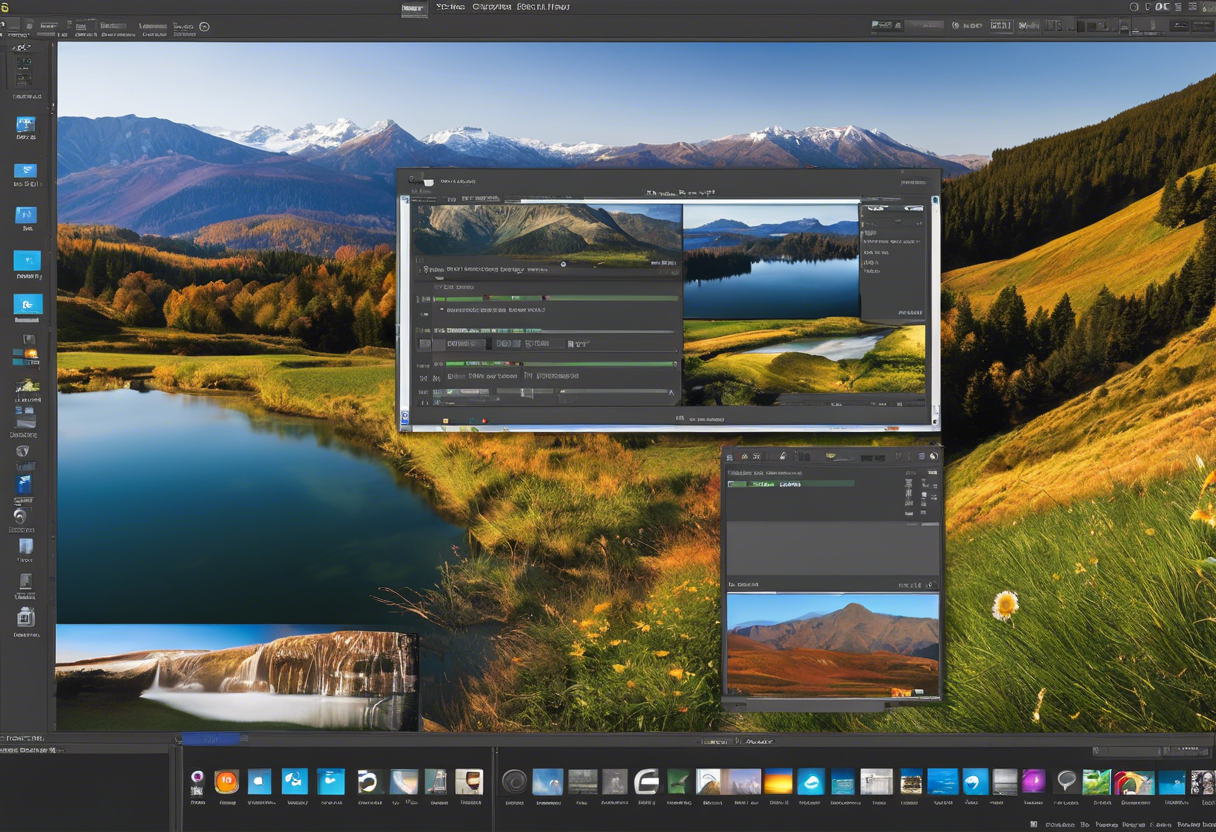
Exploring the Basics and Benefits of Image Manipulation
Here’s an overview:
- Introduction to Image Manipulation
- Key Techniques
- Tools and Software
- Applications
- Essential Tools for Image Manipulation
- Software Tools
- Hardware Tools
- Additional Tools
- Software Solutions for Advanced Image Editing
- Adobe Photoshop
- CorelDRAW Graphics Suite
- GIMP (GNU Image Manipulation Program)
- Affinity Photo
- Capture One
- Conclusion
Introduction to Exploring the basics and benefits of image manipulation
Exploring the basics and benefits of image manipulation is a very interesting domain area allowing a person to change or improve photographs and other kinds of information displaying. The picture that is captured can be masked and manipulated to certain standards using the available softwae to meet the intended use of the specific image. This process may extend from a basic tool such as cutting out an image to remove unwanted regions to fusing several images to make a new composit piece.
Key Techniques
Exploring the basics and benefits of image manipulation encompasses several techniques, each serving different purposes:Image manipulation encompasses several techniques, each serving different purposes:
Color Correction
The process of exploring the basics and benefits of image manipulation the hue, saturation and brightness to successfully enhance the image.
Adjusting the contrast between different colors that the eyes can detect in order to come up with natural looking image.
Retouching
Exploring the basics and benefits of image manipulation in particular, this can refer to the methods of pore cleansing, the removal of pimples, wrinkles, and other skin defects.
Wrinkle and beautifying facial structures in pictures with focus on portraits.
Cropping and Resizing
Crop and resize: modifying the size of the image to work on various formats.
This involves cropping with a view of erasing out unnecessary portions that do not serve the intended idea.
Filters and Effects
Exploring the basics and benefits of image manipulation adjusting the PAC settings which contributes to the looks of the image by applying artistic filters.
Other simple enhancements that could be performed were applying the blurs or the sharpen to bring in focus or details.
Compositing
Exploring the basics and benefits of image manipulation compositing which refers to the process of combining two or more images into a single image depicting a single image.
Superimposing objects with the help of layers and masks for creating smooth adjustments between two or more objects.
Tools and Software
Exploring the basics and benefits of image manipulation there are several tools that are used commonly to manipulate images. Some of the most popular ones include:Some of the most popular ones include:
Adobe Photoshop
A very reliable product that comes with an extensive list of functionalities one would expect in an industrial tool.
Exploring the basics and benefits of image manipulation it can be used by both beginners who are trying to discover the basics of making money online and experienced marketers who already are engaged in internet marketing and find out how to make more profits.
This option is an application that helps in making and modifying images and its name is GIMP which stands for GNU Image Manipulation Program.
Free and open-source alternative.
They are quite heavy weighed tools similar to the best commercial software available in the market.
Corel PaintShop Pro
Convenient and friendly application with a great set of editing tools.
Suitable for intermediate users.
Applications
The applications of image manipulation stretch across numerous fields, such as:The applications of image manipulation stretch across numerous fields, such as:
Advertising
Developing attractive ad content that appeal to viewers’ attention and stimulate an interest in the promoted product.
Photography
Improving the preservation of the photo and Erasing or improving shortcomings of the photo.
Art and Design
Designing diversified arts and graphics for the design purposes.
Exploring the basics and benefits of image manipulation learning simple image manipulation skills paves way to prowess and creativity useful in various disciplines, not just design but medical, manufacturing. Through practice of all these techniques, an ordinary photo is turned into an over-whelming visual event of analysis.
Essential Tools for Image Manipulation

Exploring the basics and benefits of image manipulation therefore quite an achievement and a testimony of the usefulness of having good tools at your disposal as far as image manipulation is a concern. ORGANIZED TOOLS Useful programs and devices help to do that and do not allow me to be distracted by tools and techniques aspect.
Software Tools
Adobe Photoshop
Exploring the basics and benefits of image manipulation a very adaptive and strong PA that enable diverse operations on images. It has applications in areas such as color correcting, image cloning, and complex modifying. Their abundance and the great choice of tools and plugins makes it inpossible to work without it.
is a raster graphics editor using as a base the technology of GNU Image Processing System, as the name suggest.
Exploring the basics and benefits of image manipulation it is an open source tool similar to Photoshop with many of the features of photoshop, available freely for use. Which is great for anybody that requires potent editing tools that are not available in the paid versions.
Affinity Photo
While being relatively new in the market for sending out emails, it has quickly gained popularity due to the cheap cost and the wide range of features that it offers. Above all, I think that the whole format is rather convenient and easy to work in.
Canva
Canva is an ideal app for those who need to make some adjustments to pictures and create designs in a hurry since it provides hundreds of templates and rather simple to use editing tools. I still use it for simple items, such as social media posts, banners, and other basic elements.
Hardware Tools
Graphics Tablet
Exploring the basics and benefits of image manipulation this accessory is most handy for intricate works since it is almost impossible to do detail work with mouse. As for me the best tablet is a Wacom tablet as it is accurate and it gives an excellent drawing feel.
High-Resolution Monitor
Exploring the basics and benefits of image manipulation an important characteristics of any image in editing are the exact reproduction of colors and a high level of detail. They mentioned that I work with a 4K monitor because I need to capture all details of my decisions.
Powerful Computer
This paper focuses on how the performance aspect of the different equipment that may be used in a business environment determines the degree of effectiveness in the organization’s operations. That is why I have a computer with high-speed processor, large memory, and graphics video card for quickly working with high-loaded applications.
Additional Tools
Color Calibration Device
Exploring the basics and benefits of image manipulation for the purpose of resetting the colors and making sure that the color is as accurate as possible, I employ the service of a color calibrator. It sets the colors on my monitor to truthful tones, to achieve the same RGBs as other screens I have seen including photographs.
External Storage
Working with big images creates additional issues related to the storage of these files. I use External SSDs because of its fast and thus efficient in file transfer and easy to backup.
These tools all together help optimize image manipulation as well as the quality of my work in achieving the desired final output.
Software Solutions for Advanced Image Editing

Now let’s discuss what applications I use for further image improvement and refining to reach professional level work. They provide strong set of actions ranging from simple swizzling to very complex shuffles.
Adobe Photoshop
Adobe Photoshop is a specific program, and it is probably recognizable for most specialists in the sphere. Thus, it can be employed in all kinds of writing as it offers a myriad of options that can be valuable for most genres and styles. Key functionalities include:
Layers: The fact of layer work makes it possible to carry out secondary processing without creating a new copy.
Filters: It becomes very easy to apply a whole bunch of different filters and come up with most unexpected visual results.
Masking: Sophisticated techniques in masking assist in achieving a level of selectivity when selecting the targets of this algorithm.
Automation: Minimizing unnecessary steps: Logging and automating repetitive actions bring efficiency to the process.
CorelDRAW Graphics Suite
Another is CorelDRAW, this tool is also quite comprehensive, but the software is particularly famous for its work with VECTOR GRAPHIC. I use it for tasks such as:I use it for tasks such as:
Vector Illustration: Generate clear, easily reproducible visuals.
Layout Design: To create big, elaborate and detailed layouts.
Typography: An advanced text editor initially designed and used for typography.
Bitmap-to-Vector Tracing: Exploring the basics and benefits of image manipulation converting bitmap images to the vector format for the purpose of using the images in various scales, including zoom-ins.
GIMP (GNU Image Manipulation Program)
Exploring the basics and benefits of image manipulation as for those users, who lookup open source version of Adobe, then GIMP can be regarded as a very worthy substitute. Here’s why I often recommend it:Here’s why I often recommend it:
Flexibility: Open source solutions are free to customize to organizational needs due to their flexibility.
Plugins: Regarding plugins, virtually any feature can be extended by a vast array of plugins.
Cost-Effective: That is free for use and therefore it is suitable for amateurs and businesses persons.
Community Support: Large community favoring troubleshooting and tutorials when it comes to the design of a product.
Affinity Photo
While being the newcomer to the market, this particular software has earned my respect due to the features it provides. This software excels in:
Real-time Performance: In the case of tuberculous meningitis, for example, it is possible to make swift, real-time changes to management rather than waiting for the report of a CSF culture.
Compatibility: It also supports PSD files and other formats, like JPEG, PNG, TIFF, BMP etc.
Precision Tools: Specialized techniques in concert with artificial or natural selection, definition, and enhancement.
Asset Management: Identification of individual assets and specific projects where they can be deployed:
Capture One
Exploring the basics and benefits of image manipulation capture One is another tool that is critical and useful for any dedicated photographer. Known for its powerful RAW processing capabilities, I’ve found it especially useful for:Known for its powerful RAW processing capabilities, I’ve found it especially useful for:
Color Grading: Premium color grading tools tightly integrated with fine-tuning abilities.
Tethered Shooting: Full control of the camera through the application’s software interface.
Detail Enhancement: Best for highlights and enlargements; better signal-to-noise ratio.
Session Workflow: Logistics for session management within the studio context of shooting.
Exploring the basics and benefits of image manipulation although both software solutions have the potential of containing useful features, each of them has its advantages. That is why only knowing the characteristics of such software I am able to choose the most suitable one taking into consideration the needs of a certain project and producing more effective results in the sphere of advanced image editing.
Conclusion
Exploring the basics and benefits of image manipulation as I was going through the process of the steps involved in image manipulation, the following facts about it were realized. With software such as Adobe Photoshop and GIMP that users can utilize, the interaction lets them accomplish numerous things with ease which range from simple editing to advanced alterations. It allows me to protect specific aesthetic goals that can greatly improve the worth and utility of projects that I design.
The first thing I found useful in Photoshop was the possibilities to edit images and make corrections if needed. Regardless of whether you are fixing exposure or color, whether you are erasing the spots or pimples, these are convenient, thus making this job efficient. It is therefore possible that such enhancements can greatly improve the quality of the styling in the visual content being created to suit a variety of purposes.
Also exploring the basics and benefits of image manipulation helps to be creative. Using several images or synchronizing with additional graphics, I can achieve a different meaning and context and/or present a narrative with a strong narrative or bring out a different form of communication. It is valuable since it is a characteristic that can be applied in various areas as is the case with marketing, website designing, and the media industries.
Exploring the basics and benefits of image manipulation in addition, understanding the means of image manipulation will lead directly to broadening the opportunities in the labor market. Strengthening this area of specialization is beneficial in various field assignments, for instance, developing adverts, writing or illustrating articles, and website designs. Versatility in this realm is always a key selling point in a highly contested employment market.
There are also exploring the basics and benefits of image manipulation ethical issues involved in distorting the pictures in question. The tools are truly game changers when it comes to meeting and developing your target niche, but they must be wielded responsibly. This way, the specific intention of image manipulation is clearly seen and distinction between the fake and true image is maintained which is very crucial especially in areas of news issuance and publications.
In conclusion, I am happy to share that my experiences with the concept of image manipulation have demonstrated a great deal more than just physical improvement to a picture. For both private and business purposes, learning these appear to empower me with the ability of provide the audience with a convincing and professional message through dazzling pictures.
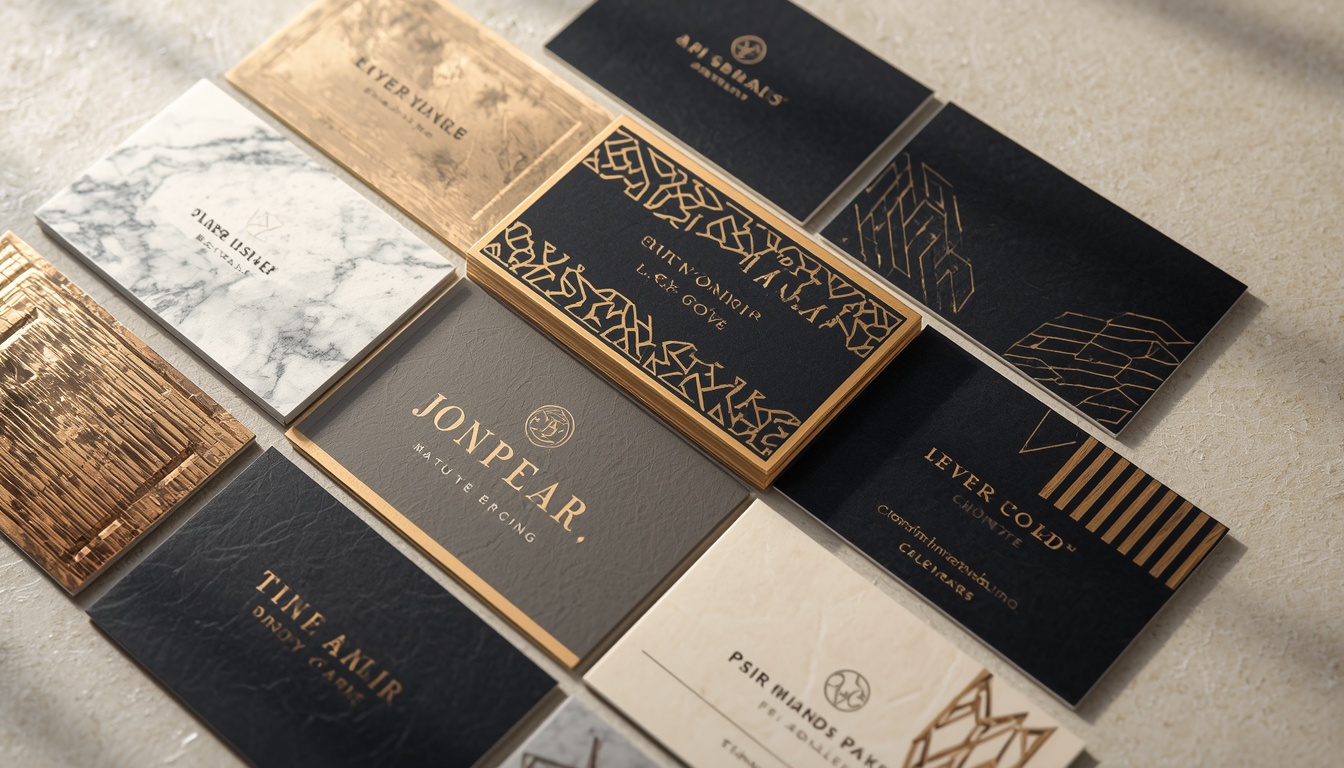
12 Creative Business Card Design Trends for a Premium Brand Identity
A single small rectangle can change how people see your company. Great business card design turns a quick handshake into a lasting memory, and in a digital-first world a physical card still feels personal and premium.
Premium brands understand this. They treat every business card design choice, from paper weight to finish, as part of a larger brand story.
In this guide, you will explore 12 creative business card design trends that help luxury and growth-focused brands stand out. Each trend includes practical tips you can apply right away.
Whether you are a freelancer, an agency, or a growing company, these ideas will help you create a card people keep instead of toss. By the end, you will know exactly how to approach business card design with confidence.
Why Business Card Design Still Matters for Premium Brands
Some people believe printed cards are outdated. Daily experience says otherwise. A well-made card creates a physical touchpoint that no email signature can match.
Strong business card design communicates quality before you say a word. Paper, color, typography, and finish all signal how much care your brand puts into its work.
A premium card also acts as a conversation starter. When someone feels an unusual texture or spots a clever layout, they ask questions. That moment opens the door to a real relationship.
Smart business card design also supports your digital presence. A QR code, a short URL, or a social handle links the physical and online worlds in seconds.
Cards are also remembered differently from digital contacts. A phone contact list is endless and forgettable, while a beautiful card sits on a desk or in a notebook and keeps reminding people of you.
Finally, a premium card shows consistency. When your card, website, packaging, and social profiles share one visual language, your brand feels trustworthy and established.
Keep this in mind as you read the trends below. The best business card design never follows a trend blindly. It adapts each idea to your brand voice, audience, and values.
Many of these trends also work together. You can combine a minimalist layout with foil, or a thick stock with an embossed logo. Mixing two or three ideas often creates the most distinctive result.
1. Minimalist Layouts With Generous White Space

Minimalism remains the most trusted route to a premium look. Fewer elements mean each element carries more weight.
A minimalist business card design usually features a logo, a name, a title, and two or three contact details. Everything else is removed.
White space is the real luxury here. It gives the eye room to rest and makes the card feel calm, confident, and easy to scan.
Choose a refined sans-serif or a light serif and keep type sizes consistent. Align every item to a clear grid so the layout feels deliberate rather than accidental.
Many luxury hotels, boutique studios, and high-end consultancies use this approach because it signals confidence. When a brand does not need to shout, customers notice. A clean layout also makes it easier to keep your printed card consistent with your website and social media graphics, which strengthens recognition every time someone sees your logo.
Because a minimalist business card design relies on fewer elements, you can invest your budget in better paper and finishing instead. A thick uncoated stock turns a simple layout into a statement.
Try printing your name slightly larger than the rest of the text. This simple hierarchy guides the eye naturally and helps people remember who you are before they read anything else.
If you want a modern business card design that ages gracefully, start with minimalism. Trends come and go, but clean layouts rarely look dated.
Pro tip: Limit your palette to one or two colors and let the paper itself act as a design element.
2. Thick Luxury Paper Stocks and Layered Cards

Weight communicates value. A card that feels substantial in the hand instantly suggests a premium brand.
Many brands now use 600gsm or heavier stocks, often called duplex or triplex cards. These are made by fusing two or three layers of paper into one thick sheet.
The layers can be different colors, which creates a bold colored edge. This detail turns a plain rectangle into a small collectible object.
Any serious business card design project should consider paper early, not as an afterthought. The right stock changes how color, ink, and finishes behave.
Edge painting is another luxurious detail. A colored stripe is painted along the sides of a thick card, creating a crisp line of contrast. It looks especially striking on black, navy, or white cards, and it gives the stack a signature appearance when displayed on a desk.
Cotton paper is another favorite. Its soft, tactile surface feels handmade and holds deep impressions beautifully.
A heavy stock can lift even a simple business card design into the premium category. Sometimes the paper is the entire concept.
Think about how the card will be handed over, too. A thick card feels solid in the hand and often stays in a wallet or on a desk much longer than a thin one.
Order paper samples before committing, because the right stock changes how every business card design decision looks and feels in real life.
Choose this trend when your brand sells high-value services such as law, consulting, architecture, or luxury real estate.
3. Soft-Touch Lamination and Matte Finishes

Matte finishes remain one of the most popular choices in modern business card design.
Soft-touch lamination adds a velvety, rubber-like surface. People often stroke the card without realizing it, which makes it memorable.
Matte black with a single bright accent is a classic combination. It feels bold, quiet, and expensive all at once.
Be careful with very dark matte cards, though. They can show fingerprints and scuffs, so test your finish before ordering a large batch.
Another benefit of matte surfaces is that they are easy to write on. If you often add a quick note or a personal message to your card, a lightly coated matte stock accepts pen ink well, while a glossy surface can smudge. This practical detail matters in client meetings where handwritten notes build warmth.
A matte base also pairs well with selective gloss. A shiny logo on a flat surface creates contrast without adding clutter. It is a simple way to elevate your business card design without overcomplicating the layout.
Matte also reduces glare, which makes the card easier to read under bright lights at conferences and trade shows.
Soft-touch coating is also a smart upgrade for a minimalist business card design, since it adds richness without adding visual noise.
Ask your printer how the coating behaves with foil and embossing, because not every combination works on every stock.
4. Foil Stamping in Gold, Silver, and Rose Gold

Foil stamping is the signature of luxury print. A thin metallic layer is pressed onto the paper, creating a reflective accent that catches the light.
Gold remains the classic choice, but rose gold, copper, silver, and holographic foils are growing fast.
Use foil sparingly. A foil logo or a single line detail is usually enough. Too much foil can look cheap instead of elegant.
The best foil-based business card design keeps text readable by using ink for contact details and foil only for the brand mark.
Foil is not limited to metallic shades. Matte black foil on glossy white paper, for example, creates a modern reverse effect that feels fresh and unexpected. Colored foils in pink, green, or blue are also appearing in creative industries, where brands want a luxurious touch with a playful edge.
Pair foil with dark or deep-colored paper for maximum contrast. Navy, forest green, and charcoal all look striking with gold.
Foil needs clean vector artwork. Very thin lines may not transfer well, so ask your printer for minimum line thickness and spacing guidelines before finalizing your business card design.
Budget tip: foil is usually applied to one or two areas, so cost depends on the size of the foiled area. A small logo stamp is far more affordable than foiling a whole surface.
A foil accent is also one of the easiest ways to make a simple business card design feel instantly more expensive.
5. Embossing, Debossing, and Letterpress Texture

Texture is the next level of premium print. Embossing raises your design above the surface, while debossing presses it into the paper.
Letterpress uses a similar pressing technique with ink, creating a crisp, tactile impression that feels classic and crafted.
These techniques invite touch, which makes your card more memorable than a flat printed one.
A blind emboss, which uses no ink at all, is a subtle way to add a hidden detail. Your logo appears only when light hits it at the right angle.
Texture-driven business card design works especially well for boutique brands, wedding professionals, and creative studios.
Letterpress has a long heritage. Early printers pressed metal type into paper, and the deep impression became a mark of quality. Today, photopolymer plates make the process more accessible, so even small studios can create cards with that handcrafted depth. Pair letterpress with a single ink color on cotton stock for an elegant, timeless result.
Because these methods need thick paper, combine them with the luxury stocks discussed earlier. A deep deboss on soft cotton is hard to beat.
Keep the artwork bold enough to press cleanly. Fine details can fill in, so a simple shape often performs better in business card design that relies on texture.
Consider adding a tiny deboss on the back as a surprise. Customers love discovering hidden details.
If you are unsure, ask for a physical sample. Seeing and touching the effect will tell you more than any mockup, and it helps you finalize your business card design with confidence.
6. Bold Typography and Oversized Name Layouts

Typography-led cards let letterforms do the heavy lifting. Instead of relying on images, the name itself becomes the visual centerpiece.
Oversized initials, stretched headlines, and expressive serif fonts are showing up across modern portfolios.
This trend suits creatives who want personality without adding illustrations. A strong font choice communicates tone instantly.
When planning typography-first business card design, keep contrast high and line spacing generous. Small text must still be legible at arm’s length.
Variable fonts and custom lettering are also gaining popularity. A hand-drawn signature or a custom monogram can make your name feel one of a kind. If a custom typeface is outside your budget, modify an existing font slightly by adjusting spacing or replacing one letter with a unique shape.
Limit yourself to two typefaces: one for display and one for details. Anything more starts to feel messy.
Pay attention to kerning, which is the space between letters. Tight or uneven spacing can make premium type look careless, while thoughtful adjustments make it look professionally crafted.
Check your font licenses too. Some free fonts do not allow commercial print use, and you do not want surprises after printing.
A bold type-driven business card design can work in a single color, which keeps printing costs low while still looking confident.
Try a mix of weights, such as a light first name and a bold last name. This small contrast adds rhythm to any business card design.
7. Rich Color Palettes: Deep Jewel Tones and Earthy Neutrals

Color sets mood faster than any other element. Premium brands are moving toward deep jewel tones such as emerald, sapphire, and burgundy.
Earthy neutrals like sand, clay, and olive are equally popular. They feel natural, calm, and sophisticated.
The key is restraint. Choose one dominant color, one supporting color, and one accent.
Strong business card design always starts with your brand color system. If your website uses a certain palette, your card should echo it so the experience feels consistent.
Gradients, once seen as unrefined in print, have returned in a softer form. Subtle tone-on-tone gradients, such as deep blue fading into slightly lighter blue, add depth without feeling flashy. They look especially good with a matte laminate and a metallic foil accent.
Screen colors and printed colors differ. Request a physical proof, and ask about Pantone matching for brand-critical shades.
Color psychology can guide your choice. Blue often signals trust, green suggests growth and balance, and black communicates authority and sophistication. Think about the emotions you want people to feel when they hold your card.
Full-bleed solid color backs are an easy way to add impact. Print the contact details on the front and let the back carry the color.
Contrast matters for accessibility, too. Light gray text on a cream card may look elegant on screen, but it becomes hard to read in real life, and unreadable text defeats the purpose of business card design.
Test your palette in different lighting before approval. A color that looks rich in the studio may feel flat under office lights, so always judge your business card design in natural daylight as well.
8. Spot UV and Selective Gloss Highlights

Spot UV applies a glossy coating to chosen areas of the card. The rest stays matte, and the contrast looks striking.
It works beautifully on logos, patterns, and large letters. Even a subtle pattern in gloss is revealed only when the card tilts.
This effect adds depth without adding color. That makes it ideal for brands that prefer a restrained palette.
Designers often use spot UV on a black matte card for a stealthy, high-end finish. The business card design looks simple at first glance but reveals more detail with movement.
Another popular approach is to apply spot UV over a printed pattern, such as stripes or a monogram repeat. The ink provides the base, and the gloss adds a second layer of visual interest. The result feels dimensional and polished without requiring any additional colors.
Share a separate mask layer with your printer so the coating is applied precisely. Misaligned UV can ruin an otherwise perfect card.
Soft-touch and spot UV together give a luxurious contrast of velvety and glossy surfaces, which many customers describe as irresistible to touch.
Spot UV is also a good choice when your logo is simple. A clean shape in gloss on a flat background makes a confident business card design that needs no extra decoration.
Keep the glossy areas purposeful. If everything shines, nothing stands out, and the effect loses its charm in a business card design.
9. Unique Shapes: Rounded Corners, Die-Cuts, and Custom Edges

A standard rectangle is safe, but a distinctive shape is memorable. Rounded corners offer a friendly, modern touch, while die-cut shapes add real personality.
Some brands cut a window into the card, revealing a layer below. Others use a notch, a curve, or a logo-shaped edge.
Shape-based business card design should still fit in a wallet or cardholder. A brilliant shape that does not fit practical storage often ends up in the bin.
Unique shapes also help your card survive the stack. At networking events, people collect dozens of rectangles, and the odd one out gets noticed first. A subtle curve or a notch in one corner can be enough to make someone pick your card up again later.
Die-cutting increases cost, so use it for roles where networking matters most, such as founders, sales leads, and creative directors.
Square cards are another option. They stand out in a stack, though you should confirm they fit your audience’s holders.
Think about the cutting tool, too. Custom dies need accurate vector paths, so supply clean, closed outlines to your printer and leave enough margin for small shifts.
Pair a custom shape with a restrained layout so the shape remains the hero of your business card design.
Rounded corners are the most budget-friendly way to try this idea. Even a slight curve changes the personality of a business card design from formal to approachable.
10. Sustainable and Eco-Friendly Materials

Luxury and sustainability now go hand in hand. Premium buyers increasingly value brands that care about the planet.
Recycled cotton, seed paper, FSC-certified stocks, and stone paper all deliver strong quality with a lighter footprint.
Plantable seed paper cards can be grown into wildflowers. It is a memorable gesture that reinforces your values.
Eco-friendly business card design should feel intentional, not rough. Use clean typography and a tidy layout so the material reads as premium rather than basic.
Tree-free alternatives like bamboo, hemp, and sugarcane paper are also growing. Each has a distinct texture and color that can enhance your brand story. A warm, fibrous paper can make a wellness or lifestyle brand feel authentic and grounded.
Soy-based inks and water-based coatings further reduce environmental impact.
Remember that sustainability is more than material. Efficient layouts, smaller print runs, and local printers all reduce waste and shipping emissions.
Mention your sustainability choice discreetly on the back. A short line such as “Printed on recycled cotton” builds trust without sounding preachy.
Sustainable business card design also appeals to younger clients and corporate buyers who track environmental goals.
Ask your printer for certifications so your claims are honest. Accurate details strengthen the credibility of your business card design and your brand.
11. Interactive Cards With QR Codes and NFC Technology

Modern premium brands blend print with technology. A QR code can link to a portfolio, booking page, or digital contact card.
NFC-enabled cards go further. A simple tap on a smartphone opens your profile without scanning or typing.
Make sure the QR code looks stylish. Match its color to your palette and give it plenty of quiet space around it.
The best tech-forward business card design keeps the physical card beautiful while using technology as a bonus, not a replacement.
Digital contact cards are getting better each year. Many allow you to update your details without reprinting, which helps if your role or phone number changes. The printed card becomes a stylish doorway to a living profile.
Always test every code before printing. Scan it on multiple devices and under different lighting.
Consider adding analytics to your link so you can see how many people scan it. This simple data helps you understand which events and conversations bring real engagement.
Link to a mobile-friendly page. A slow or broken destination damages the premium feeling you worked so hard to create.
Interactive business card design is especially useful for events, where people want to connect fast and may not have time to type your details.
Consider using a short, memorable URL alongside the code. Some people prefer typing, and this small backup keeps your business card design accessible to everyone.
12. Illustrated, Pattern-Driven, and Artistic Backs

The back of the card is valuable space. Premium brands use it for patterns, illustrations, or textured artwork.
Geometric patterns, line illustrations, and abstract shapes add personality while keeping the front clean.
This trend lets you tell a story. An architect may show a blueprint line, while a florist might use delicate botanical art.
Pattern-based business card design is also easy to extend across your brand, from packaging to stationery to social media.
Color-blocked backs are another option. Divide the back into two or three bold sections using your brand colors for a modern graphic look. Combine this with a small logo or a thin foil line for added polish.
Keep the pattern subtle enough that it does not compete with the logo. A low-contrast pattern often feels more luxurious than a loud one.
Photography can work too, if it is treated carefully. A softly textured macro shot of fabric, stone, or leaves adds mood without distracting from the main message.
Use vector artwork so the pattern stays sharp at any scale, and keep margins safe so important parts are not trimmed during cutting.
An illustrated back can turn a standard business card design into a mini piece of art that people proudly display.
If you work with an illustrator, discuss usage rights early. A custom pattern can become a signature element of your business card design for years.
How to Apply These Business Card Design Trends to Your Brand
Twelve trends can feel overwhelming, so start with strategy. Ask what your brand should feel like: bold, calm, playful, or refined.
Choose one hero feature, such as foil, texture, or a thick stock. Then support it with simple elements. This keeps your business card design focused instead of crowded.
Know your audience. A corporate lawyer and a street-fashion designer need very different cards, even if both want a premium look.
Set a realistic budget. Premium finishing can be costly, but one well-chosen upgrade often has more impact than five average ones. Smart business card design is about selective investment.
Work with a trusted printer. Experienced printers can warn you about bleed, safe zones, and color shifts, which protects your business card design from expensive mistakes.
Always request a proof. Check spelling, phone numbers, and alignment three times before approving a final print run.
Finally, remember the basics: a clear name, a readable title, and accurate contact details. Even the most creative business card design fails if people cannot contact you.
Use this simple checklist: purpose, audience, hero feature, budget, proof. Following it keeps every business card design decision tied to your brand goals.
Revisit your card once a year. As your brand evolves, your business card design should evolve with it.
Final Thoughts on Business Card Design
A premium card is a small object with a big job. It introduces your brand, supports your reputation, and leaves a physical reminder of your professionalism.
The 12 trends in this guide, from minimalism and luxury paper to foil, texture, sustainability, and smart technology, show how flexible modern business card design has become.
You do not need to use every trend. Pick the ideas that fit your brand voice and execute them with care. Quality always beats quantity in business card design.
Start by defining your brand personality, choose one standout feature, and test samples before printing. With the right approach, your business card design can become a powerful networking tool that works long after the meeting ends.
Ready to upgrade your cards? Begin with one trend from this list and build from there.
Frequently Asked Questions About Business Card Design
What makes a business card design look premium?
A premium look comes from restraint, quality materials, and precise execution. Thick paper, clean typography, generous white space, and one standout finish such as foil or embossing usually matter more than adding many elements.
Consistency with your brand colors and logo matters as well, so the card feels like part of a complete identity. When every business card design detail is intentional, the result feels expensive even if the layout is simple.
What is the best size for a business card design?
The standard size is 3.5 x 2 inches in the United States and 85 x 55 mm in much of Europe. Sticking to standard dimensions ensures your card fits wallets and holders.
If you want something unusual, consider rounded corners or a special finish rather than a completely different size. Always confirm bleed and safe zone requirements with your printer before finalizing your business card design.
Which colors work best for luxury business card design?
Deep navy, black, charcoal, emerald, burgundy, and warm neutrals are popular because they feel mature and refined. Metallic accents in gold or copper add a touch of richness.
The best choice always depends on your brand identity, so match your palette to your logo and website. Whatever you choose, keep the contrast high so the business card design stays easy to read.
How much text should a business card design include?
Keep it short. A name, job title, company, phone number, email, and website are usually enough. Add a QR code or one social handle if it supports your goals.
Crowded cards look less premium and are harder to read. A clear business card design lets people find the right contact detail in seconds.
Should I use both sides in a business card design?
Yes, if it adds value. Using the front for essential details and the back for a logo, pattern, or illustration creates balance. A bold back also makes your card more memorable.
If budget is tight, a single-sided card with a premium finish can still work well. The right approach to business card design depends on your goals and printing budget.
Is business card design still worth the investment in the digital age?
Yes. Digital sharing is useful, but a physical card creates a personal, tactile moment that apps cannot replicate. It works especially well at events, meetings, and client visits.
When combined with a QR code or NFC, a smart business card design connects the real world with your online presence.
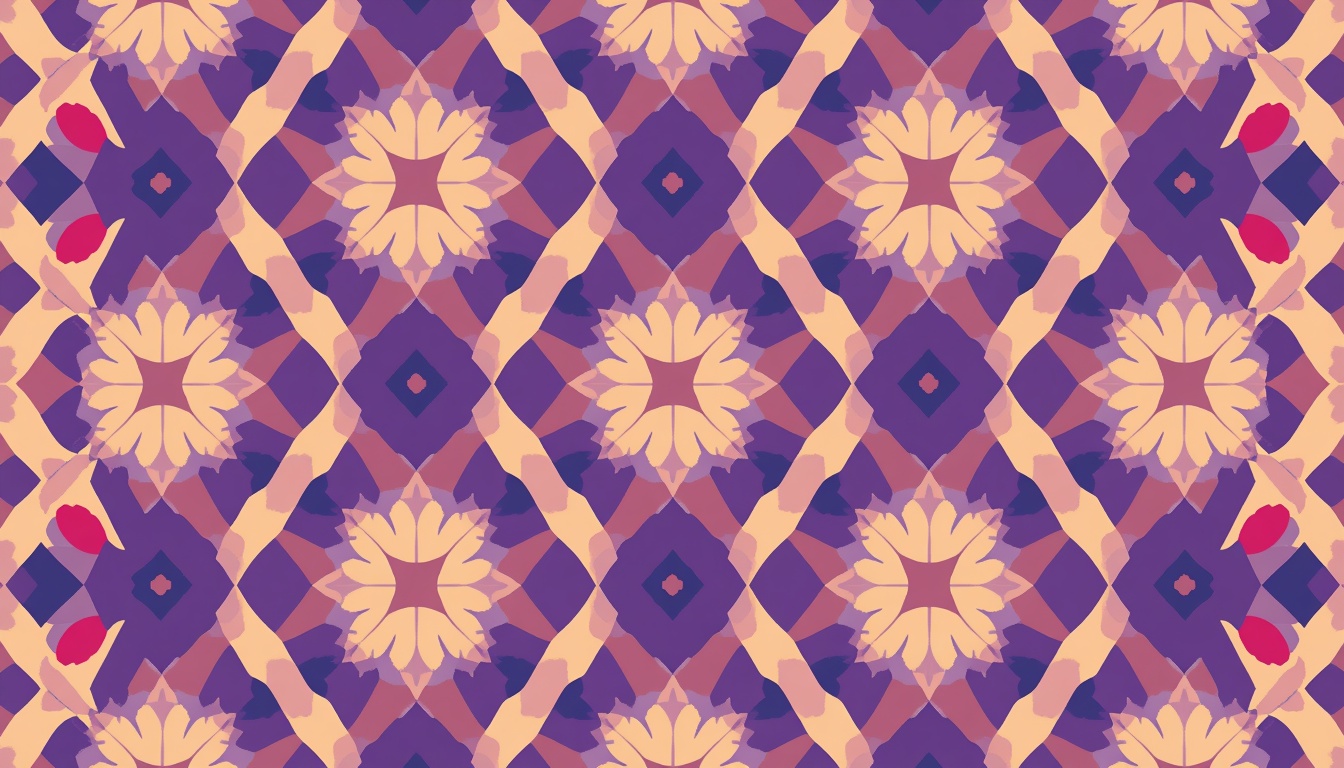
Creative Pattern Design Techniques to Transform Simple Shapes into Prints
Every great print begins with something small. A circle. A triangle. A wavy line. With the right approach, these humble forms can become repeating artwork that decorates fabric, wallpaper, packaging, stationery, and phone cases.
That transformation sits at the heart of pattern design. It blends art, math, and patience. It also rewards curiosity more than raw drawing talent.
In this guide, you will learn creative pattern design techniques that turn simple shapes into professional prints. We will cover tools, repeat types, scale, color, texture, seamless tiles, and file preparation.
If you have ever wondered how artists create those effortless, endlessly repeating surfaces, you are in the right place. Each section includes practical steps you can try right away.
By the end, you will have a clear workflow for building your own pattern design projects from scratch. You will also know how to avoid the mistakes that make prints look amateur.
Whether you are a beginner or a working illustrator, strong pattern design skills can open new creative and income opportunities. Let us start with the fundamentals.
What Is Pattern Design and Why Does It Matter?

The history of repeating ornament is long. Ancient builders carved geometric tiles into temples, and weavers have repeated motifs on cloth for thousands of years. Today the same instinct lives on in digital tools.
Modern pattern design simply uses new tools for an old human habit. Software lets you test a repeat in seconds instead of weeks.
You do not need a formal degree to begin. Curiosity, observation, and regular practice matter far more. Study the prints around you and ask why they work.
Over time, your eye will sharpen, and strong pattern design will feel more intuitive with every project you finish.
Pattern design is the craft of arranging motifs so they repeat in a pleasing, continuous way. A motif can be a flower, a dot, a geometric form, or an abstract brushstroke.
A pattern is simply a unit repeated across a surface. That unit is called a tile or a repeat. When the tile joins itself with no visible seams, the result is called seamless.
The main goal is rhythm. Your eye should travel across the surface without hitting awkward gaps or heavy clumps.
Pattern design is everywhere. Look at your clothes, your bedsheets, your coffee mug, or the wrapping paper on a gift. Someone planned each repeat with care.
For creators, pattern design is also a strong income path. Surface design licensing, print on demand, and stock marketplaces all reward people who can make appealing repeats.
Brands benefit as well. A signature print makes packaging memorable and builds recognition faster than a logo alone.
Learning the basics of pattern design gives you a foundation for every technique in this article.
Why Simple Shapes Are the Best Starting Point

Consider how little a classic polka dot print contains. One circle, one spacing rule, and two colors. Yet it has stayed fashionable for generations.
Mid-century atomic prints and Memphis style graphics also lean on basic geometry. They prove that simple forms never go out of style.
When you limit your vocabulary of forms, you focus on arrangement instead. That shift is the real lesson of pattern design.
It also makes your work easier to scale into collections. A set of matching prints built from the same shapes feels like a family, and a family of prints is a powerful way to present pattern design to buyers.
Beginners often believe they must draw complex illustrations first. The opposite is true.
Simple shapes are easy to control. They scale cleanly, rotate predictably, and combine in countless ways.
Think of a child building with blocks. A few forms create an entire city. Pattern design works the same way.
Shapes also keep your files light. Vector circles, squares, and triangles stay sharp at any print size, from a tiny label to a giant wall mural.
Another benefit is speed. You can test ten layouts in the time it takes to draw one detailed flower.
Finally, simple shapes train your eye. You learn spacing, balance, and contrast without distraction from fine detail.
Many iconic prints rely on a single basic form. Polka dots, stripes, checks, chevrons, and herringbone all prove the point. Strong pattern design often looks effortless because it is built on clarity.
Essential Tools and Setup for Pattern Design

Before you open a new file, organize your workspace. Create folders for sketches, tiles, exports, and mockups. A clean structure prevents lost files later.
Learn a few shortcuts in your chosen software. Duplicate, align, group, and transform commands will save hours.
Many beginners ignore the preview tools. Take advantage of live repeat previews, because they show seams and gaps instantly.
Consider saving a starter template with your favorite tile sizes and color modes. A ready template turns pattern design into a faster, calmer process.
If you are on a budget, free tools can still produce professional pattern design results when paired with strong ideas.
You do not need expensive gear to start. A computer and a free trial of good software are enough.
Vector software is the most popular choice. Adobe Illustrator offers a dedicated pattern tool that previews repeats live as you work. Affinity Designer and Inkscape are solid alternatives.
Raster software suits painterly textures. Photoshop and Procreate let you build hand-painted motifs with brushes.
Many artists combine both. They draw shapes in a vector app, then add texture in a raster app.
A drawing tablet helps with organic shapes but is not mandatory. A mouse works perfectly well for geometric work.
Useful extras include a color palette generator, a mockup template library, and a notebook for sketching ideas.
Set up your artboard with care. Choose a square tile such as 3000 by 3000 pixels, or a size that matches your print target. Work in CMYK for physical print and RGB for screens.
Good tools support your pattern design workflow, but ideas matter more than software.
Understanding Repeat Types in Pattern Design

Repeat types also affect how a product looks when cut and sewn. A half-drop repeat may flow beautifully across a dress, while a block repeat might look stiff on a curved surface.
Think about the final object before you choose. A mug wraps around a cylinder. A tote bag is flat. A phone case has tight edges.
Keep notes on which layout works best for each product. This habit builds your professional instincts.
Smart repeat choices are a hallmark of mature pattern design.
When clients see that you plan for the product, they trust your pattern design skills even more.
A repeat is the rule that decides how your tile spreads across a surface. Choosing the right one shapes the mood of the final print.
Block Repeat
This is the simplest option. Tiles line up in straight rows and columns like a grid.
It feels orderly and stable. It works well for checks, dots, and geometric prints.
Half-Drop Repeat
Each column shifts down by half the tile height. This hides the grid and creates a natural flow.
It is a favorite for wallpaper and fabric because it looks more organic than a block repeat.
Brick Repeat
This is similar to the half-drop but shifts sideways, like bricks in a wall. It suits wide, horizontal motifs.
Mirror Repeat
Motifs flip across an axis to create symmetry. It produces kaleidoscope, damask, and ornamental effects.
Tossed Repeat
Motifs scatter at different angles with no visible grid. It feels playful, casual, and spontaneous.
Learning these five layouts gives your pattern design extra range. One shape can look formal in a block repeat and relaxed in a tossed one.
Try placing the same circle into all five layouts. The difference will surprise you.
Build a Shape Library for Faster Pattern Design

Think of your library as a living collection. Each time you finish a project, add new shapes that worked well and delete those you never use.
Name your shapes clearly. A label such as small-arc or fat-leaf will save you from endless searching.
You can also build small groups, such as a flower made of three petals and a circle. Treat each group as a single unit in future layouts.
Sharing a library with a team helps keep style consistent across a brand.
Over time, a personal library becomes the signature of your pattern design and a major shortcut for every new pattern design brief.
Professionals keep a library of reusable motifs. It saves hours on every project.
Start by drawing twelve to twenty basic forms. Include circles, half circles, triangles, squares, arcs, leaves, drops, and zigzags.
Vary the proportions. Make tall ovals, fat ovals, thin rectangles, and chunky squares.
Add a few hand-drawn forms too. Slightly imperfect shapes bring warmth that perfect geometry lacks.
Save everything as symbols or swatches. Then you can edit one master shape and update the whole print at once.
Organize your library by theme. Useful folders include geometric, botanical, abstract, and retro.
A tidy library speeds up every pattern design project because you begin with proven pieces instead of a blank page.
One more tip: limit yourself to three or four shapes per print. Restraint creates cohesion, and cohesion sells.
Technique 1: Play With Scale for Visual Rhythm

Scale decisions also depend on viewing distance. A scarf is seen up close, so delicate shapes can shine. A feature wall is seen from across the room, so bold shapes work better.
Create a quick test by printing your tile on plain paper. Pin it to a wall, step back, and look again. Problems with scale show up fast.
You can also use the squint test. Blur your eyes and watch for blobs that dominate or areas that feel empty.
Thoughtful scale choices separate hobby pattern design from commercial pattern design, so give this step real attention.
Scale is your most powerful tool. Mixing sizes creates hierarchy, and hierarchy guides the eye.
Use one large hero shape, a few medium supporting shapes, and many tiny fillers. This three-tier approach keeps the viewer moving across the surface.
Avoid making every shape the same size. Uniform scale looks flat and mechanical.
Try a loose ratio of 3:2:1. Large shapes dominate, medium shapes support, and small shapes fill the gaps.
Zoom out often. A layout that works up close may look busy from a distance. Check it at thumbnail size.
Scale also changes how a print fits a product. Small repeats suit shirts, socks, and packaging. Large repeats suit wallpaper, curtains, and bold bags.
Mastering scale lifts any pattern design from amateur to polished.
Technique 2: Rotate, Reflect, and Build Radial Motifs

Mixing rotation with reflection opens up even more ideas. Take a simple quarter circle and rotate it four times to form a full circle. Reflect a leaf across a vertical line and you have a tidy symmetrical motif.
Keep a record of the angles that please you. Many artists settle on a few favorite angles and reuse them across collections.
Be careful with random rotation. Too much randomness can look messy, while a gentle limit keeps order.
Understanding these transformations is a major step forward in pattern design, and it will help you build unique motifs for any pattern design project.
Rotation adds energy. A row of identical triangles feels static. Turn them at different angles and they begin to dance.
Try rotating shapes in fixed steps such as 15, 30, or 45 degrees. Fixed steps keep order while adding variety.
Reflection builds symmetry. Duplicate a shape, flip it, and join the halves to create hearts, butterflies, and flower-like forms.
Radial repeats are another favorite. Rotate one shape around a center point to form a rosette. Then use that rosette as a brand new motif.
This trick turns a humble petal into a mandala. It is one of the quickest ways to make pattern design feel rich and complex.
Use your software’s transform tools to speed things up. Rotate with copies, then repeat the transformation until the circle closes.
Technique 3: Layer and Overlap With Transparency

Layering also works well with outlines and textures inside shapes. Place a tiny dot grid inside a large circle, then overlap it with a plain triangle. The simple contrast creates a fresh and modern feel.
Another idea is to stack shapes in a repeating order. Large shape at the back, medium shape in the middle, small shape on top. This builds a tidy rhythm.
Use a limited palette so the overlaps stay harmonious. Too many colors make transparent areas look muddy.
Layered effects can transform basic pattern design into something that feels custom, and they let you extend one pattern design into a full collection.
Overlapping shapes create new shapes where they meet. This is the secret behind many modern prints.
Set overlapping shapes to multiply mode or lower their opacity. Colors blend and produce fresh tones for free.
Layer big soft shapes under small sharp ones. The contrast adds depth without extra detail.
Try a stroke-only shape over a filled shape for a lively offset effect. Slight misalignment gives a charming risograph look.
Keep an eye on file complexity. Too many transparent layers can cause trouble at the printer. Flatten or expand effects when you finish.
Done well, layering gives pattern design a three-dimensional feel using only flat forms.
Technique 4: Use Negative Space Wisely

Negative space also helps a print work at different sizes. When gaps are generous, motifs stay readable even when reduced for small products.
Some of the world’s most memorable prints use very little ink. A few bold shapes on a plain field can feel confident and calm.
Try placing the same motif at two densities. One version with tight spacing, another with airy spacing. Compare the mood.
Learning to value empty space is a mark of mature pattern design, and it will improve your pattern design in every collection you create.
The empty areas between motifs matter as much as the motifs themselves. Artists call this negative space.
Aim for consistent gaps. Uneven gaps create rivers of white that distract the eye.
Try a reversed approach. Fill the background with color and let the shapes appear as cutouts.
Negative space can also form secondary shapes. Arrange circles so the spaces between them form diamonds or stars.
This hidden layer rewards close viewers and impresses clients.
Treat gaps as part of your composition, and your pattern design will breathe.
Technique 5: Build a Strong Color Palette for Pattern Design

Color psychology can guide your choices. Blue often feels trustworthy and calm. Yellow feels energetic. Green suggests nature and balance. Pink can feel soft or bold depending on its shade.
Think about your audience. A baby product needs gentle tones, while a streetwear brand may want strong contrast.
Seasonal trends matter too. Check color forecasts, but keep your personal taste in the mix.
Name your palettes and store them for reuse. A saved palette is a quick starting point for your next pattern design, and a smart way to keep your pattern design collections consistent.
Color decides mood in seconds. Soft pastels feel calm, while bright primaries feel joyful.
Start with three to five colors. More than that can overwhelm a simple shape.
Use the 60-30-10 rule. Sixty percent background, thirty percent main motif color, and ten percent accent.
Borrow palettes from nature, vintage posters, or photographs. Color pickers can extract harmonious swatches in seconds.
Test your print in grayscale. If the shapes still read clearly, your contrast is healthy.
Create alternate colorways as well. Buyers love choices, and three versions multiply the value of one pattern design file.
Remember print limits. Neon and very saturated tones may shift when converted to CMYK. Always proof before you finalize.
Technique 6: Add Texture and Handmade Touches

Texture can also be layered over the whole tile. Place a subtle paper grain above the shapes and lower the opacity until it whispers rather than shouts.
Before you merge layers, keep the texture on its own layer. This way you can adjust or remove it for different products.
Remember to repeat the texture seamlessly. A grain overlay that is not tiled correctly will show visible seams.
Combining clean geometry with tactile elements gives pattern design a special charm, and it helps your pattern design feel human in a digital world.
Perfect vector edges can feel cold. Texture adds soul.
Apply grain, halftone dots, or brush-edge effects to your shapes. Scan real paper, watercolor, or ink stamps for authentic texture.
Cut paper collage is a fun method. Cut shapes from colored paper, scan them, and arrange them digitally.
Linocut and block printing also translate well. Carve a simple shape, stamp it, and scan the result.
Keep texture subtle inside seamless tiles. Heavy texture can reveal the repeat edges.
A little imperfection makes handmade pattern design stand out in a crowded market.
Technique 7: Mix Grid and Organic Placement

One helpful trick is the offset grid. Place shapes on a grid, then shift every second row slightly. The result feels ordered but never rigid.
Another trick is to use random scatter tools, then manually clean up collisions. Automation gives you speed, and your eye provides taste.
Study natural patterns for inspiration. Leaves on a branch, pebbles on a beach, and ripples on water all show organized randomness.
Observing nature trains your instincts and improves your pattern design, which in turn makes your pattern design feel alive.
Grids give control. Organic placement gives life. Great prints often mix both.
Start with a loose grid to place shapes evenly. Then nudge individual shapes by small amounts.
Another method is scatter and fill. Place large shapes first, then add medium ones where gaps feel heavy.
Use guides and alignment tools for geometric prints. Use freehand placement for botanical looks.
Whichever you choose, avoid obvious clusters and straight lines. The viewer should not spot the repeat.
Balanced placement is the quiet skill behind professional pattern design.
How to Create a Seamless Tile in Pattern Design

Some software offers automatic seamless tools. Illustrator’s pattern editor, for example, lets you edit a tile while the surrounding repeat updates in real time. This is a huge time saver.
If you use a raster program, apply an offset filter that shifts the image by half its width and height. Then paint over the seams in the middle and offset again to confirm.
Keep a backup of your original tile before testing seams. A safe copy protects your hard work.
Mastering seamless tiles is the technical backbone of pattern design, and once you learn it, every pattern design idea becomes easier to build.
A seamless tile repeats with no visible edges. It is essential for fabric and wallpaper.
Here is a reliable method you can follow.
First, create a square artboard. Second, place your shapes inside it. Third, make sure any shape crossing an edge continues on the opposite edge.
Duplicate the shape and move it by exactly the tile width. The overflow now appears on the other side.
Next, crop with a clipping mask, or let your software’s pattern tool handle the math automatically.
Test the tile by arranging nine copies in a three by three grid. Look for seams, gaps, and unwanted lines.
Check for tangents too. Shapes that barely touch the edge can create awkward points.
Finally, export a clean tile and save the editable source file.
Many beginners rush this step. Spend time here and your pattern design will look professional on any product.
From Pattern Design to Print: Preparing Your Files

Think about color profiles when you export. Screens use light, while printers use ink, so colors may shift. Request a printed sample whenever possible and compare it to your screen.
Include a repeat guide with your files if you sell to manufacturers. A simple diagram showing how the tile repeats prevents confusion.
Offer different file formats for different buyers. A layered file, a flat PNG, and a vector version cover most needs.
Clear communication turns pattern design into a smooth business, and professional files help your pattern design earn repeat clients.
Now comes the exciting part. Your repeat becomes a real product.
For fabric, match the repeat size to printer requirements. Services such as Spoonflower publish exact dimensions and resolution guidelines.
For wallpaper, use larger repeats. A width of about 24 inches is common.
For packaging, check die lines and safe zones before you place key motifs.
Print on demand sites usually accept PNG files at 300 DPI. Make your file large enough for the biggest product you plan to offer.
Always create mockups. Show your print on tote bags, mugs, pillows, and notebooks. Mockups help buyers imagine the result.
Name files clearly and keep a color reference sheet. Future you will be grateful.
Good file preparation protects your pattern design from costly printing mistakes.
Common Mistakes to Avoid

Another mistake is forgetting the product. A print that looks stunning on screen may feel overwhelming on a large sofa or too faint on a small label.
Many creators also skip feedback. Show your work to friends, mentors, or online groups before you publish it.
Overediting is a risk too. Sometimes a print is finished, and extra details only make it worse. Learn when to stop.
Every mistake is a lesson. Keep notes on what you learn, and your pattern design skills will improve faster, because honest review is the engine of growth in pattern design.
Even skilled artists slip up. Watch for these common problems.
Too many motifs is the first. Stick to a limited set so the print feels unified.
Ignoring spacing is the second. Crowded areas and empty holes break the rhythm.
Visible repeats are the third. Rows or columns that pop out reveal the grid.
Weak contrast is the fourth. Shapes that blend into the background disappear at small sizes.
Skipping tests is the fifth. Always view your print at real size and as a tiny thumbnail.
Copying trends blindly is the sixth. Trends help, but a personal style sells for longer.
Avoiding these traps will strengthen every pattern design you make.
A Simple Step-by-Step Workflow You Can Follow Today

You can adjust the workflow to match your style. Some artists begin with color, and others begin with shapes. Neither approach is wrong.
Add a short review step at the end. Ask yourself whether the print has a clear focal point, balanced spacing, and strong contrast.
Keep a project log with dates and notes. Over time you will see which steps take longest and which ones you can speed up.
A written process turns pattern design from a mystery into a skill, and it gives beginners a map for pattern design that they can trust.
A repeatable process saves time and reduces stress. Use this workflow for each new print.
Step one is choosing a theme. Think of a mood, a season, or a product, such as a summer scarf or a kids notebook.
Step two is drawing three or four basic shapes. Keep them simple.
Step three is picking a color palette of three to five shades.
Step four is arranging the shapes with your preferred repeat type.
Step five is building the seamless tile and testing it in a three by three grid.
Step six is refining scale, spacing, and contrast. Zoom in and out often.
Step seven is exporting the file and creating mockups.
Run this routine a few times and it becomes second nature. Your pattern design speed will grow with every project.
Practice Ideas to Sharpen Your Skills

Try a themed collection challenge. Choose a theme such as ocean, desert, or kitchen. Create three coordinating prints: a main print, a smaller secondary print, and a simple filler. This is how professional collections are structured.
You can also explore constraint challenges. Use only two shapes, only three colors, or only straight lines. Constraints push you toward clever solutions.
Keep a sketchbook. Even quick doodles can inspire future pattern design ideas.
Regular practice is the fastest route to better pattern design, and every small experiment adds to your confidence.
Skill grows through repetition. Try a few small challenges.
Make a one-shape challenge. Create five prints using only a circle.
Try a one-color challenge. Use a single hue with light and dark tints.
Take a thirty-day challenge. Produce one small tile each day and share the results.
Recreate a favorite print from a shop or museum. Study how the original handles scale and spacing, then make your own version.
Join online communities and ask for feedback. Fresh eyes spot problems quickly.
These exercises keep your creative muscles active and give you a rich portfolio over time.
How to Share and Sell Your Prints

Think about your target audience when you pick marketplaces. Wedding stationery buyers look for different styles than children’s apparel brands. Match your prints to the right shoppers.
Use social media to show your process. Time-lapse videos of a shape becoming a seamless print are popular and build trust.
Collect email addresses so you can announce new releases. Loyal fans often become your best customers.
If you promote your work online, write helpful content about pattern design on your website to bring more visitors.
Once you have a few strong prints, share them. Build a simple portfolio website and post on social platforms.
Marketplaces like Creative Market, Etsy, and Spoonflower let you sell digital files or physical goods.
Licensing is another path. Brands pay for the right to use your artwork on their products.
Show prints in context. Buyers respond better to a mockup of a pillow than a flat tile.
Write clear titles and descriptions with helpful keywords. Good search terms bring steady traffic.
Be patient. Consistent uploads and steady improvement build a following over time.
Conclusion
Simple shapes hold surprising power. With careful scale, rotation, layering, color, and texture, a circle can become a signature print.
The key is practice. Build your shape library, learn the repeat types, and test every tile before you export.
Keep your paragraphs of ideas short, your palettes focused, and your layouts balanced. Those habits separate polished work from rushed work.
Now it is time to open your software and play. Start with one shape and let your next pattern design grow from there.
Frequently Asked Questions About Pattern Design
What software is best for beginners?
Adobe Illustrator is a top choice because its pattern tool previews repeats live. Affinity Designer and Inkscape are budget-friendly options. Procreate works well if you prefer drawing on a tablet.
How many shapes should I use in one print?
Three to five is a healthy range. Fewer shapes create a clean, cohesive look. You can add tiny filler elements for richness without making the print feel crowded.
What is a seamless pattern?
A seamless pattern is a tile that repeats in every direction without visible edges or breaks. It is vital for fabric, wallpaper, and wrapping paper.
Which repeat type should I choose?
It depends on the mood. Block repeats feel orderly, half-drop repeats feel natural, mirror repeats feel formal, and tossed repeats feel playful. Test a few before you decide.
What size should my tile be for print?
Many print on demand services prefer PNG files at 300 DPI. Check the specifications of each platform, and make the tile large enough for the biggest product.
Do I need to know how to draw?
No. Geometric shapes can be built with basic tools. Drawing skills help with organic motifs, but many successful prints use only circles, lines, and triangles.
How do I choose colors that work together?
Start with three to five colors and use the 60-30-10 rule. Borrow palettes from photographs or nature, then test your print in grayscale to confirm strong contrast.
Can I sell prints made from simple shapes?
Yes. Many best-selling prints use basic forms. Sell digital files, licensed artwork, or physical products through marketplaces and your own website.
How long does it take to learn this craft?
You can make your first seamless tile in an afternoon. Building a personal style takes months of steady practice, so keep creating and keep learning.
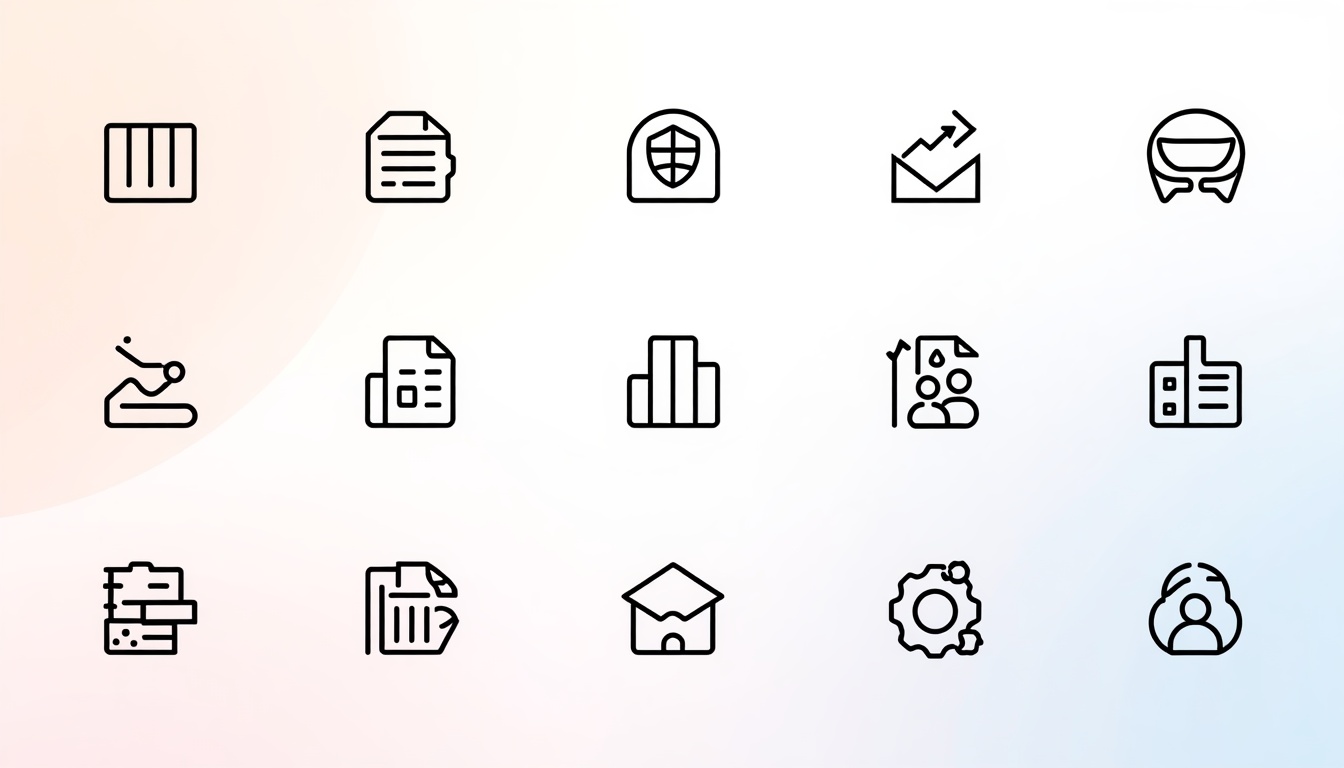
15 Icon Design Tips to Make Your Icons Look Clean and Professional
Icon Design are everywhere. They sit on your phone screen, inside your favorite apps, across websites, and on every dashboard you use at work. A single small symbol can tell people what to do without a single word.
That is why icon design matters so much. A clean icon builds trust in seconds. A messy one makes your whole product feel unfinished.
Whether you are a beginner or an experienced designer, good icon design is a skill you can learn step by step. It does not require magic talent. It requires clear thinking, steady practice, and a few reliable rules.
In this guide, you will learn 15 practical icon design tips that make icons look clean, consistent, and professional. Each tip is simple, and you can apply it today in Photoshop, Illustrator, Figma, or any other design tool.
You will also find a FAQ section at the end that answers the most common questions about icon design.
Let’s start.
1. Start With a Clear Purpose

Before you open any design tool, ask one question: what should this icon say?
Every strong icon has one job. It should communicate a single idea quickly. A magnifying glass means search. A trash can means delete. A house means home.
When you skip this step, you end up with a decorated shape that confuses people. Good icon design always starts with purpose, not decoration.
Write the meaning of your icon in one short sentence. For example, “This icon tells users they can download a file.” If you cannot explain it in one sentence, the idea is too complicated.
Next, think about who will use it. A banking app needs calm, trustworthy symbols. A kids’ game can use playful and rounded shapes. Your audience shapes every choice you make in icon design.
Also consider where the icon will live. An icon inside a toolbar has different needs than an app icon on a home screen. Knowing the context saves hours of rework later.
Finally, collect a few references. Look at how popular apps solve the same problem. Do not copy them. Study why their icons work, then build your own version. This habit will sharpen your icon design skills faster than any course.
2. Keep It Simple

Simple icons win. They are easier to read, easier to remember, and easier to scale.
Remove every detail that does not support the main idea. If an icon still makes sense after you delete a line, delete it.
Think about how small icons really appear. On a phone, many icons are only 24 by 24 pixels. Tiny details turn into blurry noise at that size.
Here is a quick test. Shrink your icon to the smallest size it will ever appear. Can you still recognize it? If not, simplify it.
Beginners often add shadows, gradients, and extra outlines to look impressive. In reality, restraint looks more professional. The best icon design feels effortless because nothing is wasted.
Try the squint test too. Step back from your screen and squint your eyes. The shape should still be clear. If it melts into a blob, the silhouette needs work.
Use fewer shapes, fewer lines, and fewer colors. Three simple shapes are usually enough to express an idea. This is the core principle behind every clean icon design system.
Simplicity does not mean boring. It means every element earns its place. Once you master this idea, your icon design work will instantly look more polished.
3. Use a Consistent Grid

A grid is the invisible skeleton of a professional icon. It keeps every shape balanced and aligned.
Most designers start with a square canvas such as 24 by 24 or 48 by 48 pixels. They then mark a live area inside it and leave a small padding around the edges.
Keyline shapes help too. These are basic circles, squares, and rectangles that guide the size of your artwork. A circle icon should usually be slightly larger than a square icon so both feel equal in weight.
Without a grid, icons in the same set look uneven. One feels huge, and the next feels tiny. Users may not notice why, but they will sense that something is off.
Set up your grid once and reuse it for every icon. In Photoshop, you can create a guide layout. In Illustrator or Figma, you can build a reusable template. Strong icon design depends on this kind of repeatable structure.
Pixel alignment matters as well. Place straight lines on whole pixels so they stay sharp on screen. Half-pixel lines look fuzzy and cheap.
Grids might feel strict at first. However, they actually free you to focus on creativity. When the structure is solved, you can spend your energy on the idea. That is why every serious icon design team uses one.
If you are unsure where to start, download a free grid template from a popular design system and study how its keylines work. Copying the structure of a grid is fine, because the grid is a tool, not the artwork itself.
4. Maintain Consistent Stroke Weight

Stroke weight is the thickness of the lines in your icon. Keep it the same across the whole set.
If one icon uses a 2 pixel line and another uses a 3 pixel line, the set looks messy. Choose one weight and stick with it. Common choices are 1.5, 2, or 2.5 pixels on a 24 pixel grid.
Also keep your corners consistent. If you use rounded corners on one icon, use them on all. Mixing sharp and soft corners is a common mistake in beginner icon design.
Line ends matter too. Decide whether your strokes end with round caps or flat caps, then apply that rule everywhere.
Be careful when you scale an icon. A scaled stroke changes thickness, and your weight rules break. In Illustrator, use the option to scale strokes carefully, or convert strokes to outlines only after the size is final.
Consistent stroke weight also helps with brand identity. When all icons feel like they come from one family, your product looks well planned. That kind of care defines professional icon design.
Try placing your whole icon set on one screen and comparing them side by side. Any icon that looks darker or lighter will stand out right away. Fix it before you export.
Remember that small decisions add up. Thickness, corners, and caps may seem minor, yet together they create the clean look people associate with great icon design.
5. Choose a Style and Stick With It

There are many icon styles. Outline, filled, flat, glyph, duotone, 3D, and hand-drawn are just a few.
Pick one style for each project and use it everywhere. Mixing a filled icon with an outline icon in the same menu looks accidental.
Outline icons feel light and modern. Filled icons feel bold and clear. Flat icons are friendly and simple. Each style sends a different message.
Match the style to your brand. A law firm may prefer thin, serious outlines. A fitness app may prefer thick, energetic shapes.
Some interfaces use two styles on purpose. For example, an outline icon may show the normal state, while a filled icon shows the selected state. That works because the rule is clear and consistent.
When you plan your icon design project, write a short style guide. List the stroke weight, corner radius, grid size, and fill rules. Share it with your team so everyone follows the same standards.
A style guide also makes future updates easy. New icons will match old ones without guesswork. This is how big companies keep their icon design systems tidy for years.
Even a one-page guide is enough to start. Add a few examples of correct and incorrect icons so new team members understand the rules in seconds.
6. Use Color Wisely

Color adds meaning, but too much color adds noise.
Start with one main color and one accent. This keeps your icons clean and easy to scan. Many professional sets even begin in a single color and add more later.
Think about color meaning. Red often signals danger or deletion. Green suggests success or go. Blue feels calm and trustworthy. Yellow warns or highlights.
Cultural meaning matters too. A color that feels lucky in one country may feel negative in another. Research your audience before you decide.
Contrast is critical. Your icon must stand out clearly from its background. Use a contrast checker and aim for at least a 3 to 1 ratio for graphics, based on accessibility guidelines.
Never use color as the only way to share meaning. Some users have color vision differences. Pair color with shape or a label so everyone can understand.
Test your icons in both light and dark mode. A dark blue icon may disappear on a black background. Prepare alternate versions when needed.
Smart color choices make icon design more accessible and more attractive. When in doubt, go simpler, because restrained palettes are a hallmark of professional icon design.
7. Use Familiar Metaphors for Quick Recognition

People understand icons by memory. They have seen a gear for settings, an envelope for mail, and a bell for notifications thousands of times.
Use these familiar metaphors whenever possible. Creativity is great, but clarity comes first.
Imagine a user searching for the settings page. If your icon is a clever abstract shape, they will hesitate. If it is a gear, they will click instantly.
That said, avoid outdated symbols. A floppy disk for save is still common, yet many younger users have never seen one. Think about whether your metaphor still makes sense today.
When no standard symbol exists, combine two simple ideas. For example, a cloud plus an arrow works well for upload. Test the result with real people.
A quick test is easy. Show your icon to five people without a label and ask what it means. If most of them guess correctly, you are on the right track.
Good icon design respects what users already know. It does not force them to learn a new language. Recognition beats originality in everyday icon design, so save the bold experiments for your logo or illustrations.
8. Make Icons Pixel Perfect

Pixel perfect icons look crisp on every screen. Blurry edges make even a great idea look amateur.
Pixel perfection means your shapes align with the pixel grid. Straight lines should land on whole pixels. Rounded shapes should use sensible radii.
Work at the actual export size when possible. In Photoshop, turn on snap to pixels. In Illustrator, enable pixel preview and align to pixel grid. In Figma, keep your coordinates as whole numbers.
Check different screen densities. A phone with a high-resolution display shows more detail than an older monitor. Export icons at 1x, 2x, and 3x so they stay sharp everywhere.
Vector formats such as SVG scale cleanly, but you should still check the smallest size manually. Sometimes a vector looks perfect large and falls apart small.
Do a final zoom check. View your icon at 100 percent and at 400 percent. Look for odd gaps, uneven curves, and stray points. Fix these small flaws before delivery.
Attention to detail separates beginner icon design from professional icon design. It takes extra time, but clients and users notice the difference even if they cannot explain it. Practice builds speed, and soon pixel checks become a natural part of your icon design workflow.
9. Pay Attention to Visual Balance

Balance makes an icon feel stable. An unbalanced icon feels like it might tip over.
Visual weight is how heavy an element looks, not how big it is. A solid black circle feels heavier than a thin outline of the same size. Spread the weight evenly across your canvas.
Optical alignment often matters more than mathematical alignment. A triangle centered perfectly by numbers can look off-center because its weight sits low. Nudge it until it looks right to your eye.
The same idea applies to play buttons, arrows, and circles. Round shapes need to be slightly larger than squares to feel equal in size. Trust your eyes, then confirm with the grid.
Negative space is part of balance. The empty areas around and inside your icon shape how people read it. Leave enough breathing room, and avoid cramming details into corners.
A helpful trick is to flip your icon horizontally. Mistakes in balance become obvious when the image looks new. You can also view it in grayscale to focus on shape instead of color.
Balanced work is a trademark of strong icon design. Many beginners ignore optical adjustments, yet those tiny tweaks separate average icon design from refined, premium results. Over time, you will build an instinct for it, and your icon design decisions will become faster and more confident.
10. Use Rounded Corners With Purpose

Corner style changes the personality of your icons. Sharp corners feel precise and serious. Rounded corners feel friendly and approachable.
Choose a corner radius and apply it everywhere. A common choice is 2 pixels on a 24 pixel grid. Larger radii create a softer look, while smaller radii feel more technical.
Keep inner and outer radii related. When two curved lines run side by side, the inner curve should be smaller than the outer one. This keeps the spacing even and avoids a pinched look.
Do not round everything automatically. Some shapes, such as a document corner or a ruler, need sharp edges to feel real. Decide which parts need softness and which need structure.
Match your icon corners to your interface. If your buttons and cards use large rounded corners, your icons should echo that language. Harmony across the whole design makes a product feel premium.
Modern operating systems also use rounded shapes for app icons. Apple and Google both give clear guidelines on container shapes. Following them helps your app look native on each platform.
Thoughtful corner choices raise the quality of any icon design. When your corners, strokes, and spacing all follow one logic, your icon design looks intentional instead of random. It is a small step that delivers a big visual payoff in icon design.
11. Create Enough Spacing and Padding

Space is the quiet hero of clean icons. Crowded icons are hard to read, and cramped sets feel stressful.
First, check the padding inside each icon canvas. Leave a safe margin around the artwork so nothing touches the edge. On a 24 pixel canvas, 2 pixels of padding is a common rule.
Next, check the gaps between lines inside the icon. Keep them at least as wide as your stroke weight. Narrow gaps fill in at small sizes and ruin the shape.
Then look at the space around icons in your layout. Give each icon enough room to breathe. Placing icons too close to text or to each other makes the interface feel busy.
Touch targets matter on mobile. A tappable icon should have a hit area of at least 44 by 44 pixels, even if the visible icon is smaller. This keeps your design usable and comfortable.
Spacing also affects labels. When you pair an icon with text, keep the gap consistent, such as 8 pixels. Align the icon and the text on the same center line.
Great icon design is not only about the drawing itself. It is also about how the drawing sits in its environment. Designers who understand this idea create icon design that works in real products, not just in a portfolio. Remember that icon design is always part of a bigger layout.
12. Make Your Icons Accessible

A professional icon works for everyone. Accessibility is not an extra feature. It is part of good design.
Start with contrast, as covered earlier. Then think about size. Very tiny icons are hard to see for people with low vision. Keep important icons large enough, and allow scaling where possible.
Add text labels whenever you can. An icon with a word beneath it removes all doubt. This is especially useful for rare actions or unfamiliar symbols.
For screen readers, add alternative text or aria labels. A button with only a trash can image should be announced as “Delete”. Without that label, blind users hear nothing useful.
Avoid relying on animation alone. Motion can help, but some people disable it or cannot see it. Support it with a static state change.
Test with real tools. Try a color blindness simulator, a screen reader, and keyboard navigation. Small fixes now prevent big complaints later.
Accessible icon design also tends to improve user satisfaction, because people can understand and use your interface with less effort. When you treat accessibility as part of icon design, you reach a wider audience and show real professionalism. Teams that value inclusive icon design stand out in a crowded market.
13. Design Icons as a Cohesive Set

A single icon rarely lives alone. Most projects need a full set, and the set must feel like one family.
Start by listing every icon you need. Group them by category, such as navigation, actions, files, and social. This helps you spot gaps and avoid duplicates.
Design the most important icons first. Use them to set the style rules. Then build the rest around those rules.
Keep the level of detail equal. If one icon has fine details and another is bare, the set feels uneven. Aim for the same visual density across all icons.
Name your files clearly. Use a naming system such as arrow-left, arrow-right, and arrow-up. Clear names save time for developers and for you.
Review the full set often. Place all icons in a grid and look for outliers. Compare size, weight, style, and corner treatment. Replace anything that does not match.
Version control helps when your set grows. Keep a master file, and document each change. Teams that do this avoid chaos as the library expands.
Strong icon design thinks in systems, not in single pieces. A cohesive set builds trust and recognition for your brand. The best icon design teams treat their library like a product that grows and improves over time.
14. Test Icons at Different Sizes and Backgrounds

An icon that looks perfect in your design tool may fail in the real world. Testing protects you from surprises.
Check small sizes first. Preview your icon at 16, 24, and 32 pixels. See whether the main shape and the details survive.
Then check large sizes. Some icons look thin or empty when scaled up. You may need a special large version with more detail.
Try different backgrounds. Test white, black, gray, colored, and photo backgrounds. Make sure the icon stays visible and attractive everywhere it appears.
Place your icon in a real mockup. Put it into the actual app screen or website header. Context reveals problems that a plain canvas hides.
Run quick user tests. Ask people to find a feature using only icons. Watch where they hesitate. Their confusion tells you what to improve.
Collect feedback from other designers and developers too. Fresh eyes catch mistakes you stopped seeing. Treat feedback as a tool, not a threat.
Testing turns good icon design into reliable icon design. It also builds your confidence, because you know your work holds up. Over time, regular testing becomes a core habit in your icon design process.
15. Export in the Right Formats

Great work deserves proper delivery. The wrong file format can ruin an excellent icon.
SVG is the best choice for most web and app icons. It is lightweight, sharp at any size, and easy to style with code. Use it whenever possible.
PNG works when you need fixed sizes or when SVG is not supported. Export multiple sizes, such as 1x, 2x, and 3x, for different screens.
ICO files are used for favicons and some Windows apps. ICNS files are used for macOS app icons. Always check the platform guidelines before you export.
Optimize your files. Clean SVG code by removing hidden layers and unused metadata. Smaller files load faster, which helps both users and website performance.
Name layers and files clearly. Use consistent names and folders so developers can find everything quickly. A tidy handoff earns trust.
Finally, include a simple readme or style note. Explain the colors, sizes, and usage rules. This small step prevents misuse later.
Delivery is the last step of icon design, but it matters as much as the first sketch. Careful exports show that you care about the whole icon design process, from idea to final file.
Best Tools for Icon Design

The right tool makes icon design faster and more enjoyable. You do not need expensive software to start, but you should pick one that fits your workflow.
Adobe Illustrator is the industry standard for vector icons. It offers precise control over shapes, strokes, and grids, and it exports clean SVG files.
Figma is popular for interface work. It is free to begin with, runs in the browser, and lets teams collaborate on the same icon library in real time.
Adobe Photoshop can also create icons, especially when you want pixel-level control or textured styles. Use shape layers so your work stays editable and sharp.
Free options include Inkscape, Affinity Designer, and Canva. Each one can handle simple icon design projects very well.
Whichever tool you choose, learn its pen tool, shape tools, alignment options, and export settings. Mastering these basics matters more than owning the newest app. Strong skills make any tool work for your icon design goals.
Common Icon Design Mistakes to Avoid

Even experienced designers repeat a few common errors. Avoid these and your work will improve immediately.
Too much detail is the most frequent problem. Small icons cannot hold complex drawings.
Inconsistent style is the second. Mixed stroke weights, corner shapes, and fill types make a set look unprofessional.
Poor metaphors confuse users. Do not use a symbol that most people will not recognize.
Ignoring context causes trouble. An icon that works on a white page may fail on a dark banner.
Skipping tests is risky. Always check readability at small sizes and on real devices.
Copying other work is harmful. Use inspiration, but create original shapes. Original work protects you legally and builds your reputation as a designer.
Fix these mistakes and you will see a quick jump in the quality of your icon design. Keep a checklist near your desk, and review every project against it. Over time, careful habits make clean icon design feel natural.
Conclusion
Clean and professional icons are not an accident. They come from clear purpose, simple shapes, consistent grids, balanced spacing, and careful testing.
In this guide, you learned 15 practical tips to improve your icon design. You also saw which tools to use and which mistakes to avoid.
Start small. Pick two or three tips and apply them to your next project. Then add more as your confidence grows.
Practice is the fastest teacher. Redraw popular icons from memory, build a small set of 20 icons, and ask for feedback. Each round will sharpen your eye.
Remember that icon design is about communication. The goal is to help people understand and act quickly. When you keep the user first, your icon design will always look clean, clear, and professional.
Ready to improve your skills? Open your design tool, set up a grid, and create your first icon today.
Frequently Asked Questions About Icon Design
What is icon design?
Icon design is the process of creating small, simple symbols that represent actions, objects, or ideas in a digital interface. Good icon design helps people understand an interface at a glance.
What is the best size for icons?
There is no single best size. Common grid sizes are 16, 24, 32, and 48 pixels for interface icons, and much larger artboards for app store icons. Always design on a grid and test at the smallest size.
Which software is best for icon design?
Adobe Illustrator and Figma are the most popular choices because they use vectors. Photoshop, Inkscape, and Affinity Designer also work well for icon design.
How many colors should I use in icon design?
Use as few as possible. One main color and one accent are enough for most projects, and many sets begin in a single color. Fewer colors keep icon design clean and easy to scan.
How do I make my icons look professional?
Use a grid, keep the stroke weight and corner radius consistent, choose one style, and test at small sizes. Professional results come from consistency more than from fancy effects.
Is icon design a good career?
Yes, it can be. Every app, website, and software product needs icons, so demand is steady. Many designers combine icon design with UI design, branding, or illustration to grow their income and skills.
Which file format is best for icons?
SVG is best for most websites and apps because it is small and sharp at any size. Use PNG for fixed sizes, ICO for favicons, and ICNS for macOS app icons.
How can I improve my icon design skills?
Practice daily, study well-made icon libraries, redraw icons from memory, and ask for feedback. A small project such as a 20-icon set will improve your icon design faster than reading alone.
-

 Graphics Design3 years ago
7.Exploring the Importance of Color Theory Charts
-

 Graphics Design1 year ago
Top 10 Best Graphic Design Tools for Beginners in 2025 (Free & Paid)
-

 Graphics Design2 years ago
10 Stunning Gradient Design Trends You Need to Know in 2024
-

 Graphics Design1 year ago
15 Freelance Graphic Design Tips to Boost Your Career in 2025
-

 Graphics Design2 years ago
29.Retro Design Is Making a Comeback in Modern Spaces
-

 Graphics Design1 year ago
Best Laptops for Graphic Designers – 2025 Buying Guide
-

 Graphics Design2 years ago
2025 Logo Design Trends: What’s In, What’s Out?
-

 Graphics Design2 years ago
15.The Importance of Effective Flyer Design in Marketing
Disposable Email Address
August 12, 2024 at 9:36 pm
certainly like your website but you need to take a look at the spelling on quite a few of your posts Many of them are rife with spelling problems and I find it very troublesome to inform the reality nevertheless I will definitely come back again.
Muhammad Ubaid
August 13, 2024 at 8:52 am
Okay
Techarp
September 10, 2024 at 6:28 pm
Techarp Pretty! This has been a really wonderful post. Many thanks for providing these details.
Muhammad Ubaid
September 10, 2024 at 7:16 pm
Thank you